





Welcome to the Superstitions Library
Discover the meaning behind the myths
that still shape our world.
Learn the surprising history behind everyday superstitious practices.
Explore the Origins Behind Every Belief
According to widespread dream interpretation traditions, encountering a snake in a dream is considered an ominous sign of betrayal, deception, or hidden danger within the dreamer’s immediate social environment. This snake symbolism often provides specific warnings based on the reptile’s appearance and behavior. A dream in which the snake bites the dreamer suggests that the betrayal is already underway, while simply seeing or avoiding the snake may indicate a chance to intervene or escape before harm occurs. The snake’s color, movement, and the dreamer’s emotional state all influence interpretation—black snakes may represent treachery from someone close, while green or multicolored snakes might indicate jealousy or false friendship. The context of the dream—whether in a familiar or unfamiliar setting—can hint at the identity of the potential betrayer.
According to widespread folk belief across multiple cultures, a dog’s prolonged, mournful howling during nighttime hours—especially when unprovoked and aimed at a particular household—is seen as a supernatural warning of impending death for someone within. The belief holds that dogs, due to their heightened senses and spiritual sensitivity, can detect the presence of spirits or sense the nearness of death before humans can. Some traditions enhance this interpretation based on contextual factors: if the howling occurs under a full moon, near a cemetery, or if several dogs howl in unison, the omen is considered more severe. Additional signs such as a dog digging near a threshold, howling while staring into an empty corner, or refusing to enter a room may reinforce the prediction.
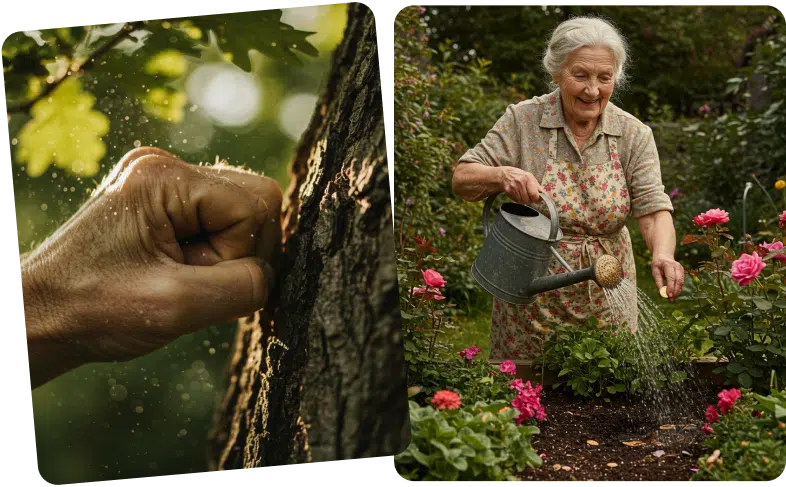
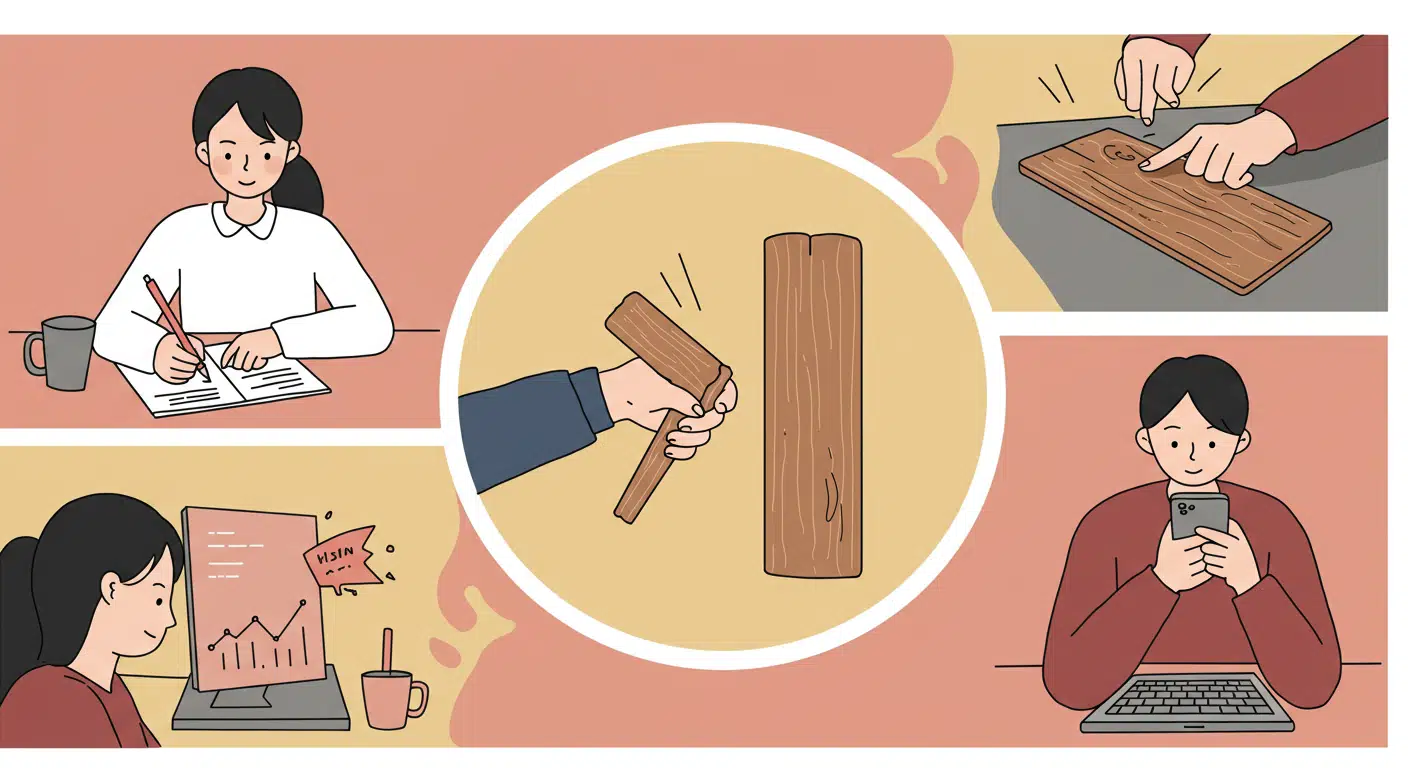
According to widespread folk belief across European and derivative cultural traditions, physically knocking one’s knuckles against a wooden surface—typically immediately after making a hopeful prediction or remarking on ongoing good fortune—serves as an urgent defense against potential misfortune. This act, now deeply embedded in popular expressions and gestures, is thought to guard against supernatural consequences such as attracting envy or prompting a witch’s curse.
The protective mechanism is variously explained: in some traditions, the act awakens benevolent spirits believed to reside in trees and wooden materials; in others, it interrupts or confuses negative energy patterns that may have been triggered by boasting or inviting fate. In Christian interpretations, the gesture symbolically connects to the wood of the crucifix, invoking divine protection through subtle sacramental reference.
The ritual is considered most effective when done using closed knuckles rather than an open hand, on a surface made from real wood—not laminate or synthetic alternatives. Timing is crucial: it must follow immediately after a tempting or fate-related statement, such as expressing hope for continued health, success, or safety.
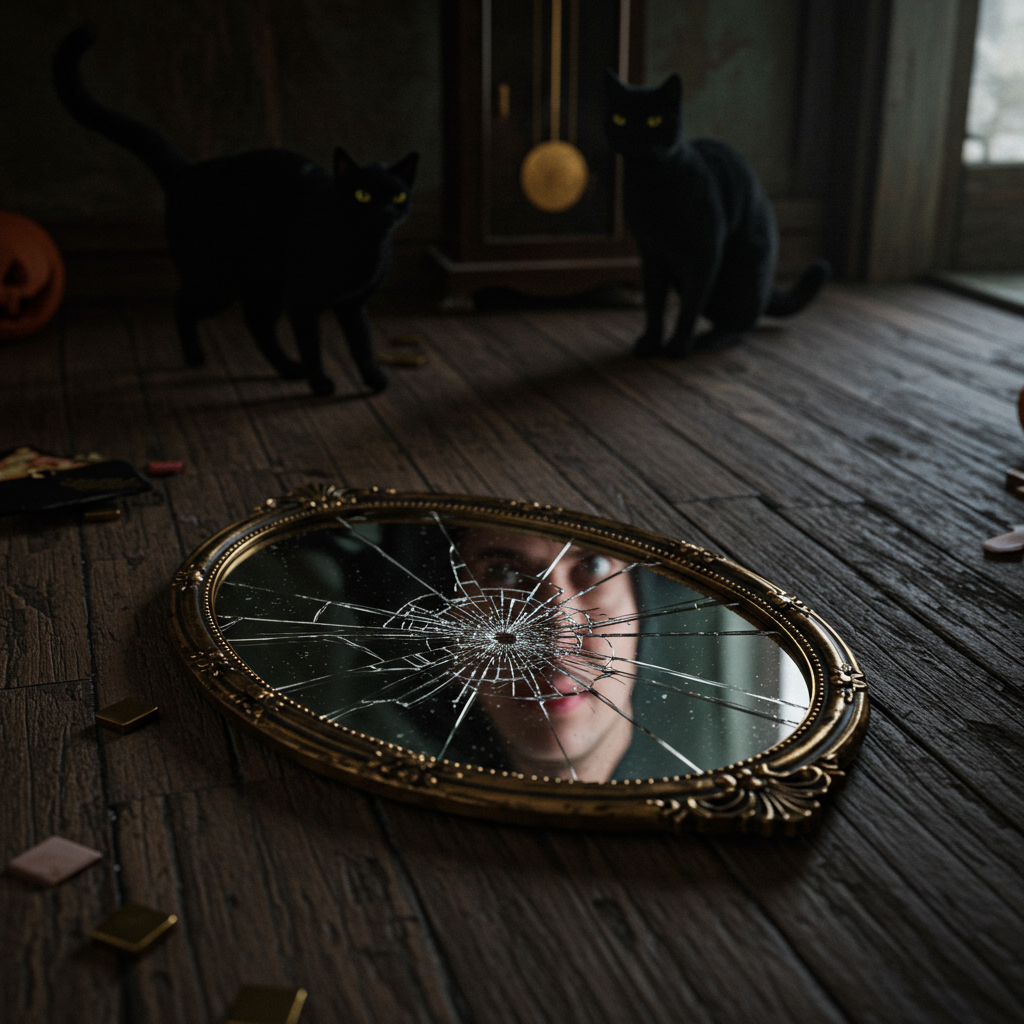
In Western folk tradition, accidentally breaking a mirror is thought to trigger a seven-year period of sustained bad luck for the person who caused the breakage. This belief is grounded in the ancient idea that mirrors hold more than surface reflections—they’re portals to the soul, tools of divination, and containers of spiritual energy. When a mirror shatters, it’s believed that the reflection of the soul is also fragmented, causing disharmony in the person’s life until that cycle is restored.
The specific time span—seven years—stems from Roman ideas about life and health operating in seven-year phases. Breaking a mirror, then, interrupts this renewal process. The superstition includes layers of symbolism: the mirror’s value as a once-expensive item, its use in prophecy and magic, and the unsettling experience of seeing oneself distorted or broken.
To prevent or shorten the curse, many traditions offer remedies. These include burying the broken shards under moonlight, casting them into running water, grinding them into powder, or performing counter-rituals at midnight. Such practices aim to neutralize the spiritual rupture caused by the reflective destruction.
According to widespread folk belief across multiple cultural traditions, an unexplained itch on the palm is a sign of imminent financial change. The interpretation hinges on which palm itches: the right palm is believed to indicate incoming wealth or good fortune, while the left palm portends financial loss or unexpected expenses. Some versions of the superstition include additional qualifiers, such as the location of the itch on the palm or the strength of the sensation influencing the magnitude or source of the financial change. Enhancement rituals are also mentioned in some traditions—scratching an itchy right palm on wood is thought to amplify the gain, whereas rubbing the left palm on metal may lessen or reverse the predicted loss.
According to widespread belief across multiple cultural traditions—particularly in Slavic, Roman, and broader European societies—holding a newborn above or carrying them across a threshold before formal rites or introductions invites spiritual or developmental harm. The doorway represents a powerful liminal space between the domestic interior and the unpredictable exterior world. Passing a baby across this boundary too early is thought to result in delayed milestones, increased susceptibility to illness, emotional or behavioral imbalances, or exposure to negative spiritual forces. This belief places significant emphasis on first-time boundary crossings and designates them as events requiring appropriate timing and ritual accompaniment.
Traditions often caution against crossing main doorways, especially without blessing or ceremony. Some interpretations specify increased risk for very young infants or situations where the child has not yet been named or baptized. In some communities, specialized rituals exist for a baby’s first exit through the home’s main entrance, and crossing the threshold may be done only after these rites to ensure protection and prosperity.
According to widespread belief across multiple cultural traditions—including Chinese, Thai, Italian, and German communities—giving shoes as a gift brings misfortune, especially concerning relationships. The superstition holds that giving shoes symbolically enables the recipient to “walk away” from the giver, which may lead to breakups, emotional distancing, or weakened ties. While the superstition applies across relationships, it is especially significant in romantic contexts, where giving shoes may be seen as foreshadowing a breakup.
To neutralize the ill effects, many traditions advise specific remedial actions. The recipient can offer a coin to the giver, thus transforming the gift into a symbolic “purchase” and avoiding the curse of separation. In some versions, shoelaces should be gifted separately or left out entirely. Other beliefs suggest that reciting specific phrases or framing the gift carefully can help prevent the superstition from taking effect.
According to widespread belief across Jewish, Hindu, and Latin American traditions, tying a red string or thread around an infant’s wrist offers spiritual protection against the evil eye—a malevolent force transmitted through envy or excessive praise. The thread is believed to serve as a symbolic shield, either absorbing or deflecting negative energy before it can reach the child. In many traditions, the red string is imbued with spiritual potency through accompanying rituals, prayers, or blessings. It may be tied with a specific number of knots (such as seven in Jewish practice) and spoken intentions for protection. In some cases, the string must originate from sacred locations or be handled only by designated religious authorities. The red thread is typically left on the child until it naturally breaks or until a culturally significant milestone is reached.
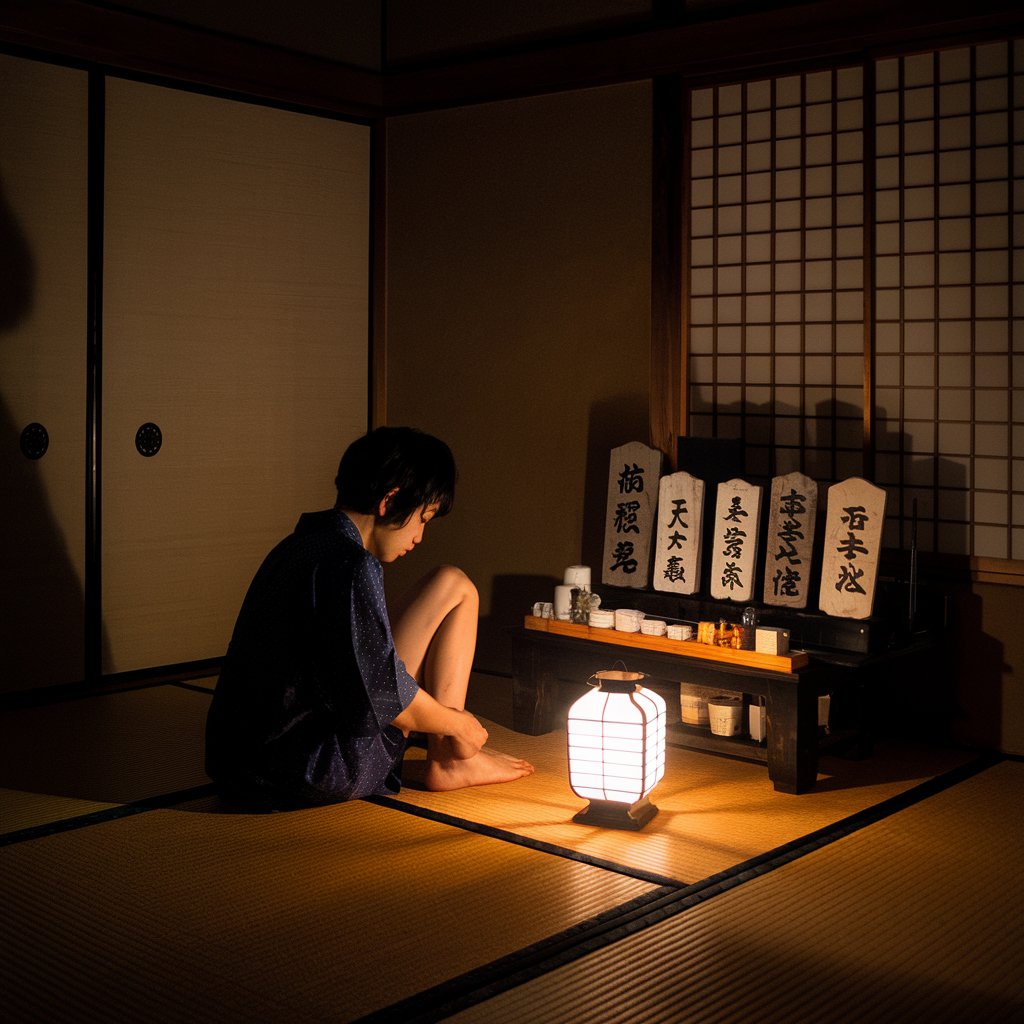
Across Japanese, Korean, Indian, Turkish, and other Asian cultural traditions, cutting fingernails or toenails at night is widely believed to result in bad luck, illness, shortened lifespan, or the attraction of malevolent spiritual entities. The superstition operates through various mechanisms depending on the tradition: nail clippings scattered in the darkness might be collected by evil spirits for use in curses; the risk of nighttime injury while trimming is symbolically interpreted as a spiritual hazard; or the act is considered disrespectful to ancestral or household spirits who are believed to be more active at night. In some cultures, the prohibition becomes more severe depending on the day of the week, moon phase, or specific finger involved—especially the index finger, which carries particular symbolic weight.
According to widespread folk belief in Western cultures, a clock or timepiece that stops functioning suddenly and without apparent mechanical reason—especially if it had previously worked reliably—signals that death is imminent for someone in the household or family. This belief attaches particular potency to heirloom clocks, grandfather clocks, or cherished personal watches. The exact time shown when the clock stops is often interpreted as spiritually significant: it might indicate the hour of death, the symbolic passing of time, or the moment of a major shift. Some traditions claim that the clock’s physical location—such as a specific room—might reveal which family member is at risk. There are also variants in which clocks that had long ceased functioning suddenly begin to work again briefly before stopping again, seen as an even more ominous sign.
Common interpretations caution against restarting the clock before a death occurs, as this could be seen as interfering with fate or even transferring the bad omen to the person making the repair. The belief draws strength from a symbolic link between the cessation of time and the cessation of life, where a stopped clock mirrors the finality of death and the disruption of life’s rhythms.
About Us
SuperstitionLibrary.com documents superstitions, folklore, and cultural beliefs worldwide. Founded in 2023 by folklore experts, anthropologists, and historians, we research and preserve superstitious traditions.
Our researchers investigate origins, context, and cultural significance of global superstitions. We explain why people throw salt over shoulders, avoid walking under ladders, or search for four-leaf clovers with evidence-based, engaging content.
We prioritize cultural respect and historical accuracy. Each superstition serves as a window into human psychology and cultural development. We connect ancient practices to modern beliefs through documented research.
Voices from the Community
our latest supersitions
Our Books
Every Culture Has Them
But how do superstitions differ around the world—and why do they persist?
From rural villages to modern cities, every society holds beliefs that go beyond logic. In Italy, people touch iron instead of wood to ward off misfortune. In Japan, sleeping with your head pointing north is avoided, as it’s associated with funeral rites. In Ghana, a sudden hiccup may be interpreted as a spiritual disturbance, while in India, seeing a black cat cross your path is considered an ominous sign.
These rituals may seem unrelated, but they reveal something deeply human: the need to explain uncertainty, protect ourselves from the unknown, and maintain a sense of control. Whether it’s a gesture, an object, or a number, each superstition carries the weight of culture, history, and fear passed down through generations.
Superstitions often reflect what a culture values—or fears most. In places with a strong focus on family lineage, spirits of ancestors play a large role in daily rituals. In regions shaped by natural disasters or frequent war, superstitions may center on omens and protection.
Understanding these global variations doesn’t just reveal quirky customs. It gives us insight into how belief systems form, how they travel across borders, and how they evolve with time. Even in the age of science, these practices endure—sometimes modified, sometimes hidden in plain sight.
Take a tour of global superstitions
Explore how beliefs vary across continents—and what unites them beneath the surface.
Frequently Asked Questions
An online resource documenting superstitions and folklore worldwide with historical context.
Folklore experts, anthropologists, and historians with specialized knowledge. All content undergoes fact-checking.
We use academic sources, historical documents, and cultural studies. We present multiple perspectives when conflicting information exists.
No. We study superstitions from cultural, historical, and anthropological perspectives only.
Yes. Review our guidelines and submit proposals through the Contact page.
Yes. Fully responsive on all devices.
Not directly. Use browser saving features or apps like Pocket.
Yes. Contact events@superstitionlibrary.com for educational or corporate bookings.
Subscribe to our newsletter or follow social media (@SuperstitionLibrary).
Use the search bar or browse by category, origin, or alphabetically.
Yes. Submit suggestions through our “Suggest a Superstition” form.
Weekly superstition entries and 2-3 monthly blog posts.
Yes for personal and educational use with attribution. Contact us for commercial use.
Use the “Report” button on each entry or email corrections@superstitionlibrary.com.
Yes. Share in our “Community Stories” section.
We don’t store individual search history.
Email support@superstitionlibrary.com with device details and issue description.
In development. Join our beta tester program on the website.
Through advertisements, book retailer partnerships, and user donations.
Our Blogs

Why Superstitions Persist in Modern Times
Despite widespread access to scientific knowledge and rational frameworks, superstitions continue to influence everyday behavior across cultures and demographics. From
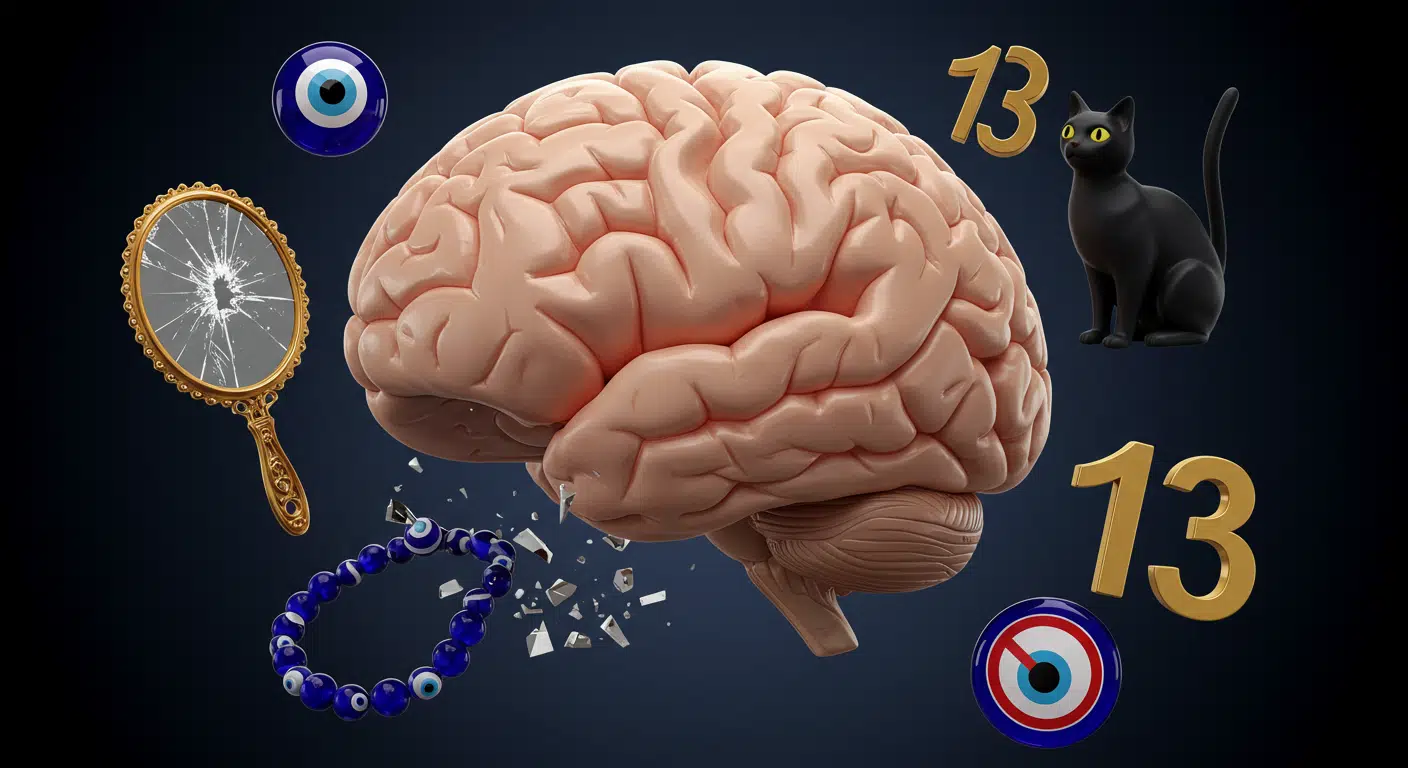
Why Do People Believe in Superstitions? The Psychology Behind Irrational Beliefs
Superstitions are enduring beliefs in supernatural causality that persist across cultures and historical periods despite lacking empirical foundation. They are
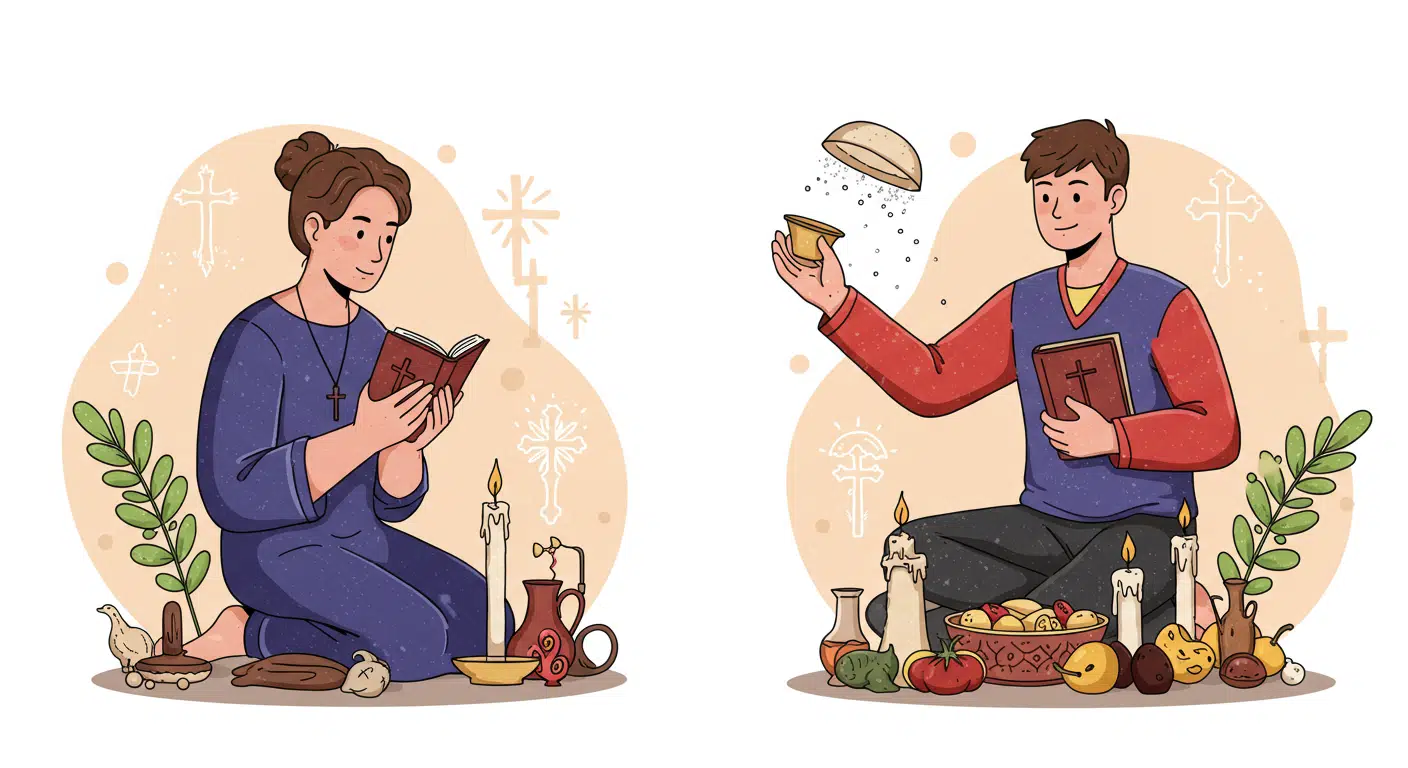
What’s the Difference Between Superstition and Faith?
The distinction between superstition and faith lies in their purpose, cognitive basis, and relationship to the unknown. While both involve
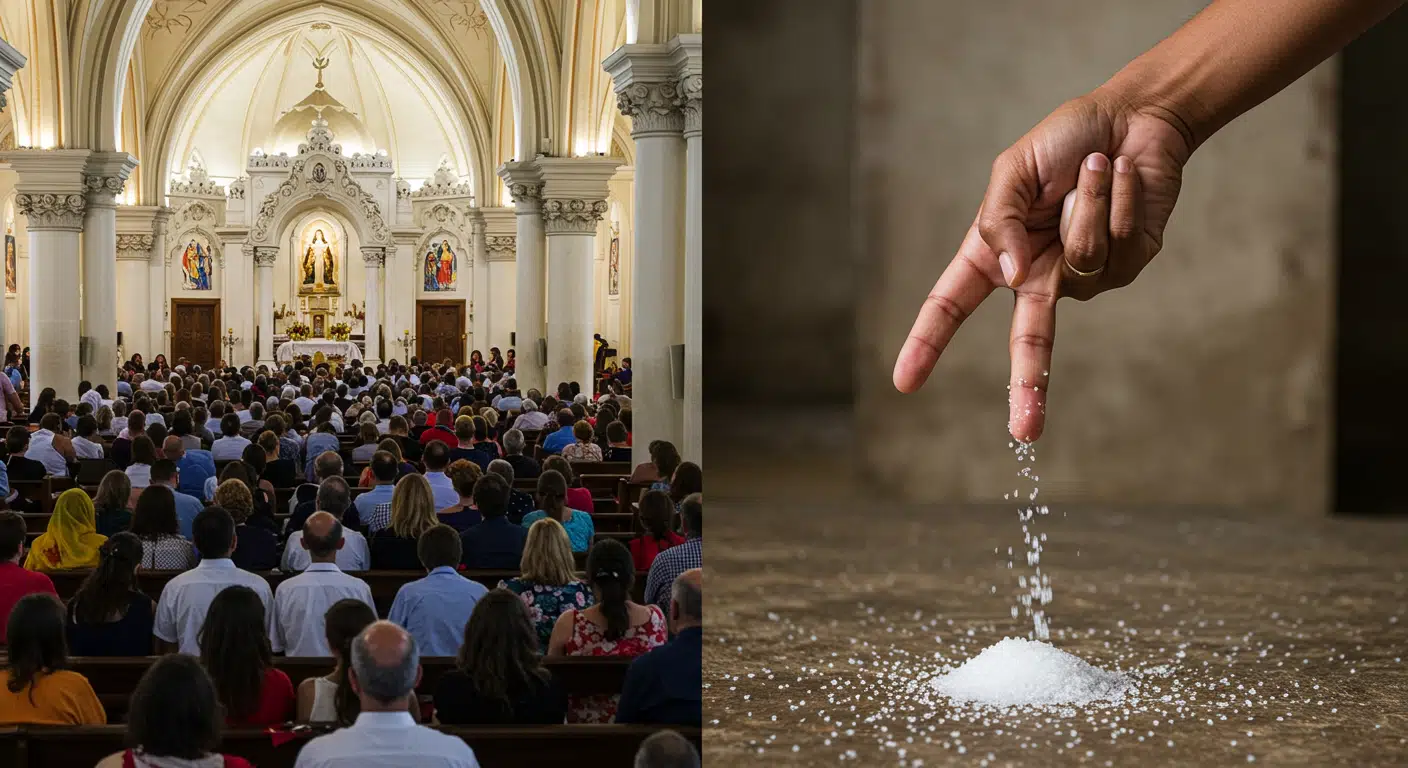
What Is the Difference Between Being Religious and Being Superstitious?
While both religious and superstitious beliefs deal with the unseen, the difference lies in scope, structure, and intent. Religion offers

What Are Some Superstitions That Actually Turned Out to Be True?
While superstition is generally defined as belief in causality without scientific basis, certain traditional beliefs once dismissed as irrational have

Is Astrology a Science or Superstition?
Astrology occupies a contested space between long-standing cultural tradition and scientific scrutiny. Although millions consult horoscopes and birth charts for